
Live Well, Thrive Well March Program Resources
Live Well, Thrive Well
Thank you for joining Live Well, Thrive Well, your 6-month guided wellness experience rooted in the science of Lifestyle Medicine. We are delighted you are here.
Below are the March Food as Longevity Medicine program resources you will need to support you on your journey.


March: Food as Longevity Medicine.
Led by Dr. Ken Snyder, Associate Professor at University at Buffalo Neurosurgery (UBNS), Beth Machnica, Registered Dietitian and Director of Health and Well-Being at BNMC, and Sally Gower, founder of Eat Well Buffalo, we explored the importance of food as longevity medicine.
Some Key Takeaways
- Food is medicine, especially when it’s simple and shared. We combined nutrition, medicine, and culinary skills to show how healthy food can truly transform health.
- Health starts in our own community. Many people living and working near the medical campus face worse health outcomes due to structural and environmental factors, this work is about changing that.
- Plants at the center = whole-body benefits.
Adding more whole plant foods supports:- Heart health
- Blood sugar & metabolism
- Brain clarity
- Gut health
- Lower inflammation
- Small changes create a ripple effect. One plant-based meal doesn’t just help one body system, it helps your entire body work better and it starts as soon as one meal.
- Connection is powerful medicine. Sharing meals boosts feel-good chemicals like dopamine, oxytocin, and serotonin.
- Quality matters: whole plants > processed foods. The biggest health benefits come from whole, minimally processed plant foods, not just swapping animal foods for processed alternatives.
- Healthy fats are your friend.
- Seed oils are safe to use cooking at home and can be part of a healthy diet
- Extra virgin olive oil supports gut health and reduces inflammation
- Fruit ≠ added sugar. Fruit is packaged with fiber, vitamins, and antioxidants, very different from sweets and processed sugar.
- You can meet protein needs with plants. A well-planned vegetarian or plant-based diet provides enough protein and energy.
- Fiber is the missing link.
- 90% of adults don’t get enough
- Fiber helps improve blood sugar, reduce inflammation, and support gut health
- Fiber = carbohydrates → we need more, not less
- Bottom line: Build meals around plants, eat with others, and your health will follow.
Presenter Resources
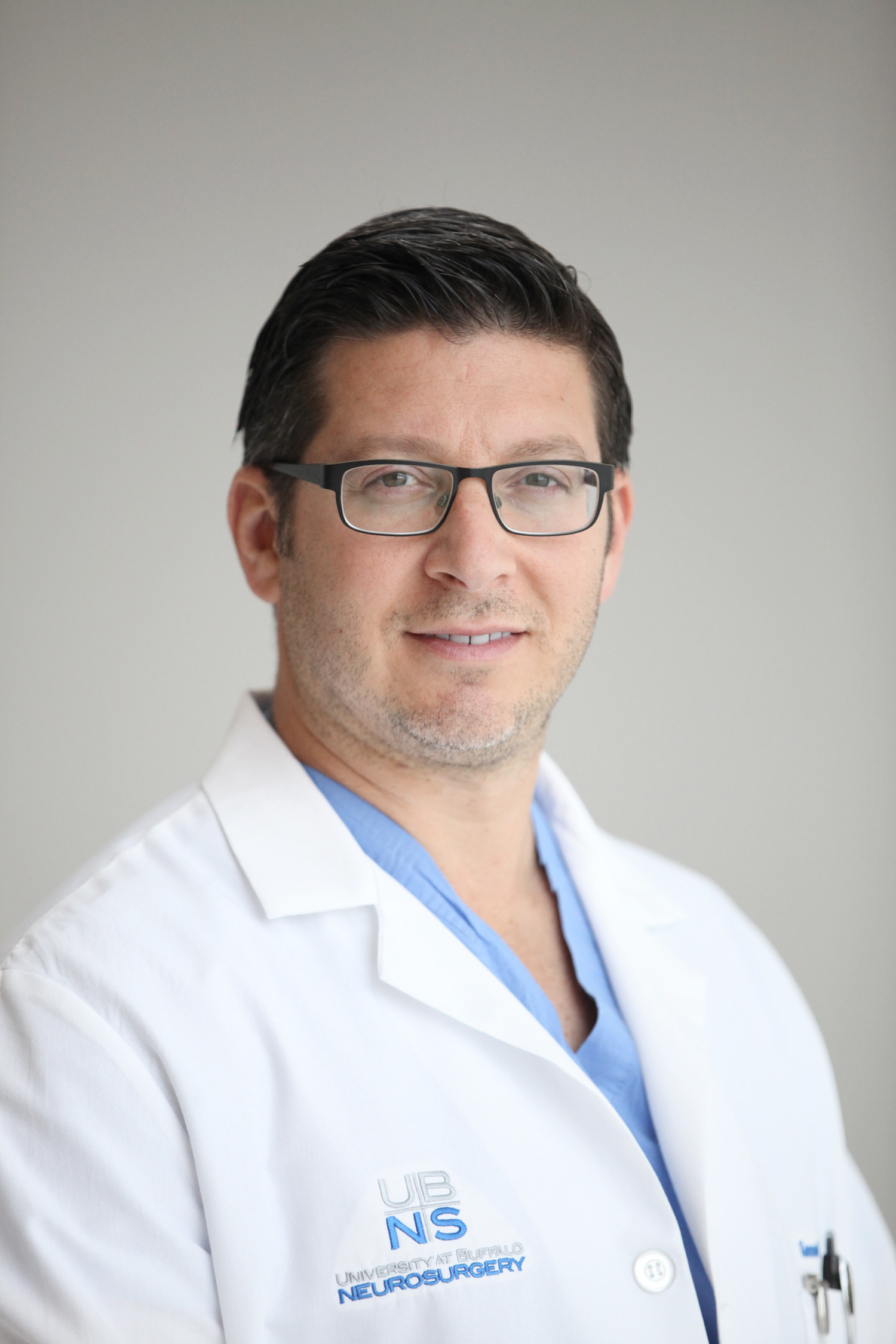
Dr. Kenneth V. Snyder
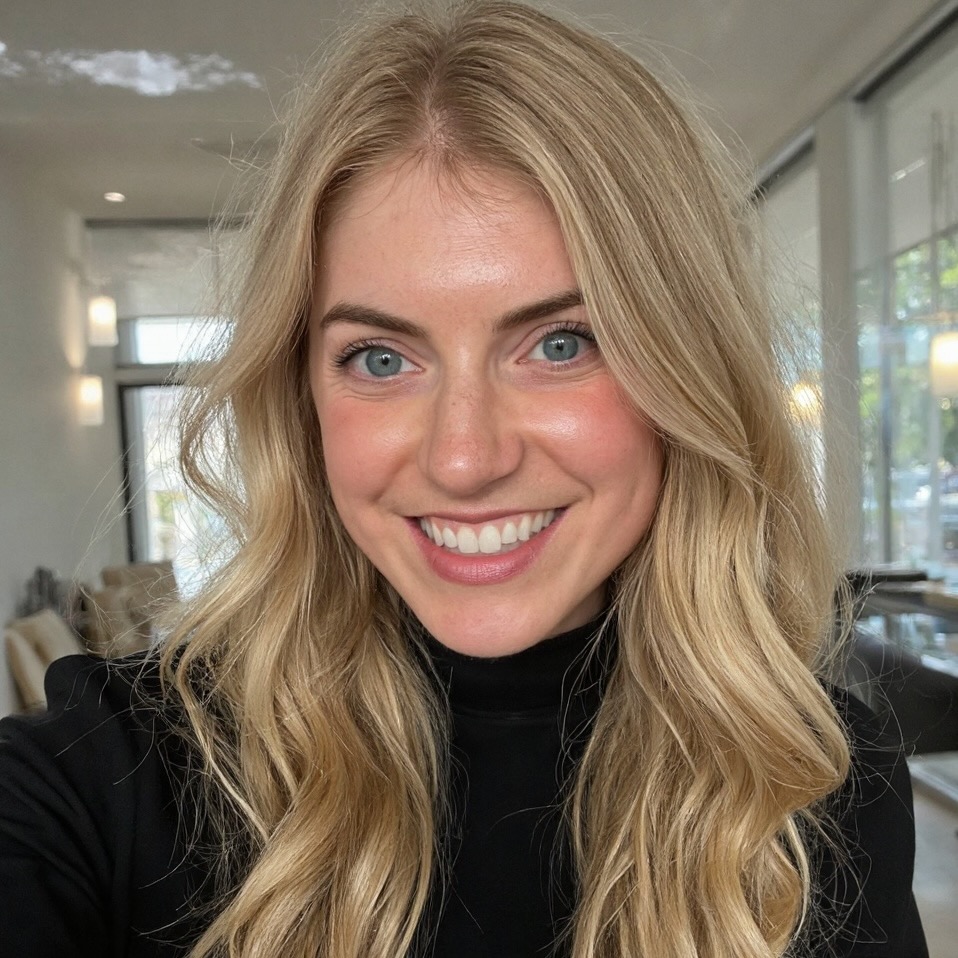
Beth Machnica
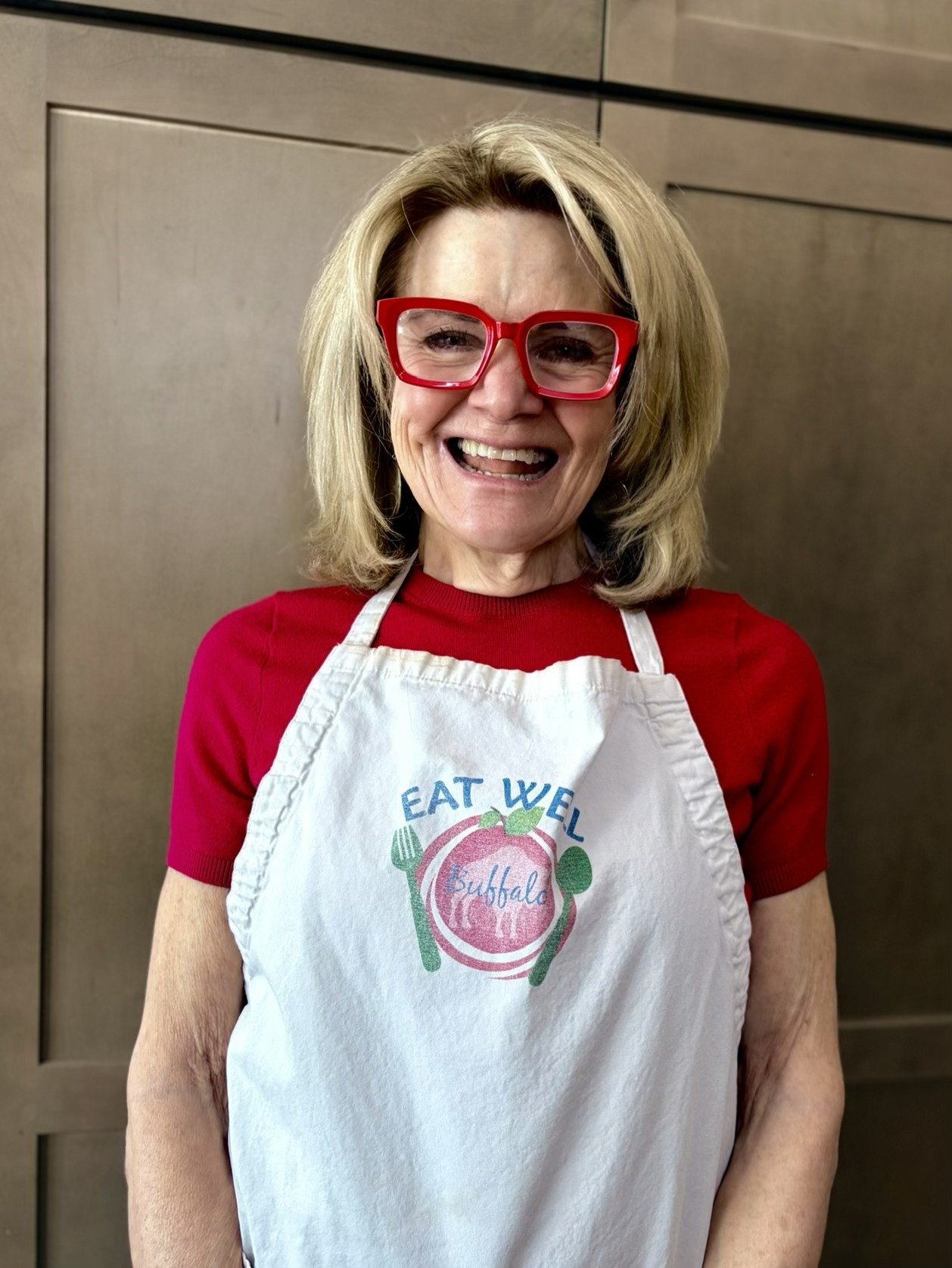
Sally Gower
Our presenters shared some great resources with us during the sessions. Here they are.
- Cooking demonstration slides
- Recipe cards
- Cookbooks, recommended podcasts, and more
- Flourish Nutrition
Our monthly microhabit challenges for this month are:
- Swapping salad croutons with slivered almonds
- Replacing processed snacks like protein bars or granola bars with fresh fruit instead
- Throw a handful of greens into scrambled eggs or a smoothie, add shredded zucchini to meatloaf, include mushrooms in stuffed peppers, use beans to replace oil or fat in muffins and brownies
- Try sautéing with water instead of oil
- Choose popcorn instead of chips
- Water instead of pop or sweetened tea
LIVE WELL, THRIVE WELL
2026 Schedule
January – Movement as Medicine
Tuesday, January 27, 6:30 pm
Explore how regular, intentional movement supports metabolic health, mobility, balance, and longevity using evidence-based strategies to build strength and resilience at every stage of life. More Info
February – Sleep, The Foundation of Health
Tuesday, February 24, 6:30 pm
Learn how restorative sleep regulates everything from metabolism to mood, and apply practical, science-backed strategies to improve sleep quality and recovery.
March – Food as Longevity Medicine
Tuesday, March 31, 5:00 pm
Discover how dietary patterns rooted in whole, plant-forward foods and culinary medicine can reduce chronic disease risk, support performance, and promote healthy aging.
April – The Connection Cure
Tuesday, April 28, 6:30 pm
Examine the powerful role of social connection in mental, emotional, and physical health, and practice simple ways to strengthen relationships and community through daily movement and shared experiences.
May – Mastering Stress with Science and Self-Compassion
Tuesday, May 26, 6:30 pm
Understand how chronic stress affects the nervous system and overall health, and build evidence-based mindfulness and self-compassion practices to restore balance and resilience.
June – Avoiding Toxins
Tuesday, June 30, 6:30 pm
Learn how everyday environmental and behavioral exposures influence health and disease risk, and create a personalized, sustainable wellbeing plan to reduce toxic load and support long-term vitality.