
Live Well, Thrive Well June Program Resources
Live Well, Thrive Well
Thank you for joining Live Well, Thrive Well, your 6-month guided wellness experience rooted in the science of Lifestyle Medicine. We are delighted you are here.
Below are the June Avoiding Toxins program resources you will need to support you on your journey.


June: Avoiding Toxins
Panelists Mona Lisa McEachin, Bethany Golden, and Jordon Frank, Shared strategies for avoiding toxins for better health and recovery.
Some Key Takeaways
- Recovery happens in community. Healing isn’t meant to happen alone. Connection, belonging, and support are powerful antidotes to isolation.
- Replace toxins with hope. Toxins aren’t only chemicals or substances, they can also include shame, stigma, trauma, loneliness, and hopelessness. Recovery begins by replacing those with hope, purpose, and connection.
- Progress over perfection. Healing isn’t linear. Celebrate every positive step, no matter how small, because every step forward matters.
- Know your personal triggers. Identify situations, places, or habits that increase unhealthy behaviors, and make one intentional change at a time to support your well-being.
- Stay hydrated. Water supports brain function, heart health, digestion, and overall wellness. Try swapping one sugary, alcoholic, or energy drink each day for a glass of water.
- Practice harm reduction. Harm reduction is about reducing risk, not demanding perfection. Whether it’s eating before drinking alcohol, staying hydrated, carrying naloxone, or never using alone, small strategies can save lives.
- Choose environments that support your goals. Recovery looks different for everyone. Set boundaries and spend time in places and with people that bring you peace instead of temptation.
- Ground yourself during difficult moments. Simple mindfulness tools, like the 5-4-3-2-1 grounding exercise, deep breathing, sensory items, or stepping into nature—can help regulate stress and reduce cravings.
- Carry hope for others. Sometimes the greatest gift you can offer is believing in someone until they can believe in themselves.
- Don’t assume your water is clean because it looks clear. Many contaminants are invisible, odorless, and tasteless, making testing the only way to truly know what’s in your water.
- Test your water before treating it. Every home is different. Professional water testing helps identify contaminants so you can choose the most effective filtration solution instead of guessing.
- Understand long-term exposure. Many contaminants, including lead, PFAS (“forever chemicals”), nitrates, arsenic, and microplastics, may not cause immediate symptoms but can impact health over years of repeated exposure.
- Consider improving your drinking water. Reverse osmosis systems can significantly reduce many common contaminants, including lead, PFAS, nitrates, chromium-6, and other impurities.
- Ask for help early. Whether you’re navigating recovery, supporting a loved one, or have questions about your water quality, reaching out is a sign of strength, not weakness.
- Small actions create lasting change. Reducing toxins doesn’t require changing everything overnight. Start with one healthier habit, one supportive conversation, or one proactive step today, and build from there.
Presenter Resources
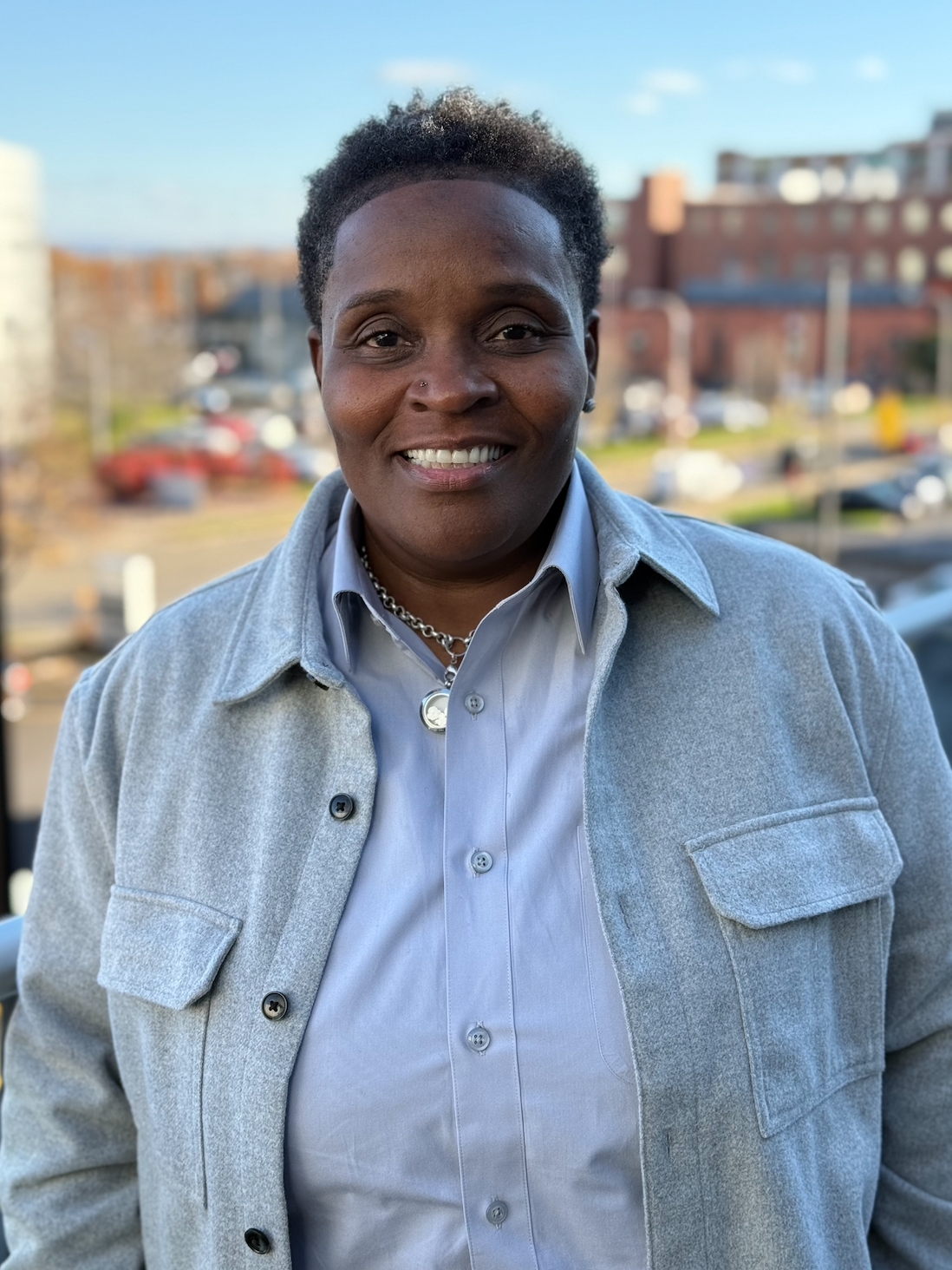
Mona Lisa McEachin

Bethany Golden

Jordon Frank
Our presenters shared some great resources with us during the sessions. Here they are:
- The Avoiding Toxins presentation.
- Erie County Department of Health
- Stimulant Harm Reduction Basics
- Principles of Harm Reduction
- Harms of the War on Drugs
- BestSelf Behavioral Health
- BestSelf Calendar
- Health Keys: Water
- Exposure: Poisoned Water, Corporate Greed, and One Lawyer’s Twenty-Year Battle Against DuPont
- Is Your Brain Thirsty
Our monthly microhabit challenges for this month are:
- Swap one drink
- Reduce one trigger
- Track one habit
- Reach out for support
LIVE WELL, THRIVE WELL
2026 Schedule
January – Movement as Medicine
Tuesday, January 27, 6:30 pm
Explore how regular, intentional movement supports metabolic health, mobility, balance, and longevity using evidence-based strategies to build strength and resilience at every stage of life. More Info
February – Sleep, The Foundation of Health
Tuesday, February 24, 6:30 pm
Learn how restorative sleep regulates everything from metabolism to mood, and apply practical, science-backed strategies to improve sleep quality and recovery.
March – Food as Longevity Medicine
Tuesday, March 31, 5:00 pm
Discover how dietary patterns rooted in whole, plant-forward foods and culinary medicine can reduce chronic disease risk, support performance, and promote healthy aging.
April – The Connection Cure
Tuesday, April 28, 6:30 pm
Examine the powerful role of social connection in mental, emotional, and physical health, and practice simple ways to strengthen relationships and community through daily movement and shared experiences.
May – Mastering Stress with Science and Self-Compassion
Tuesday, May 26, 6:30 pm
Understand how chronic stress affects the nervous system and overall health, and build evidence-based mindfulness and self-compassion practices to restore balance and resilience.
June – Avoiding Toxins
Tuesday, June 30, 6:30 pm
Learn how everyday environmental and behavioral exposures influence health and disease risk, and create a personalized, sustainable wellbeing plan to reduce toxic load and support long-term vitality.