
Live Well, Thrive Well April Program Resources
Live Well, Thrive Well
Thank you for joining Live Well, Thrive Well, your 6-month guided wellness experience rooted in the science of Lifestyle Medicine. We are delighted you are here.
Below are the April The Connection Cure program resources you will need to support you on your journey.

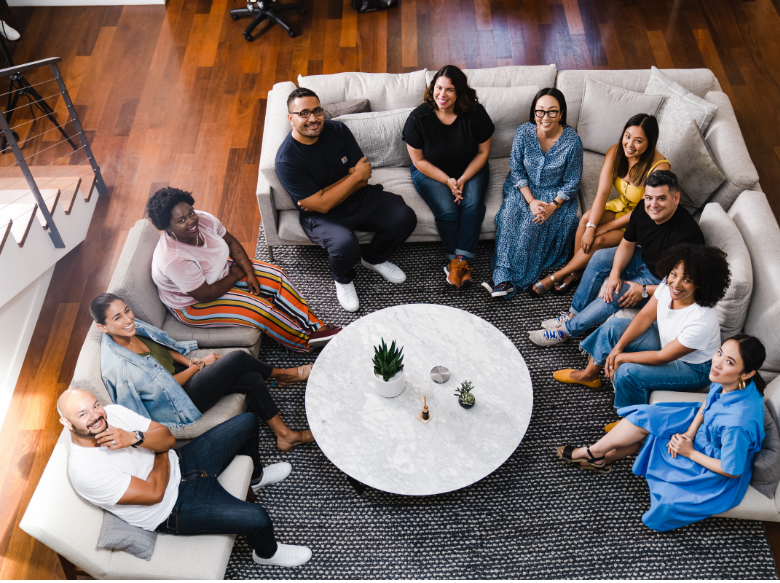
April: The Connection Cure.
Moderated by Licensed Clinical Social Worker, Meichle Latham, We explored the importance of social connection to our health.
Some Key Takeaways
- Connection is biology, not luxury
Humans are wired for community, feeling valued and contributing to others is foundational to purpose and well-being. - Treat social connection like a health behavior
It is as protective as avoiding ~15 cigarettes/day and improves mental health, resilience, and recovery. - Strengthen the 5 pillars intentionally
Social support, social capital, inclusion, justice, and mindful use of social media all shape well-being. - Start small, stay consistent
Simple daily actions, texting a friend, walking with someone, shared meals, create meaningful impact. - Go where the people are
Connection requires proximity and presence, put yourself in environments where relationships can form. - Follow your energy
If you feel drawn to someone, lean in, that instinct is often a signal for meaningful connection. - Build deep relationships through reliability
Dependability and showing up consistently are key to cultivating trust and deeper friendships. - Practice flexibility and curiosity
Let go of needing to be right, seek to understand, stay open, and approach others with curiosity. - Prioritize shared humanity over differences
Especially in divisive times, connect through common ground rather than conflict. - Limit passive technology use
Be mindful of how digital environments may replace or erode real-world connection. - Connection is a skill, train it
Like a muscle, social connection strengthens with practice: talk to new people, deepen existing ties. - Design for connection (systems-level)
Organizations and communities can embed intentional opportunities for connection to improve collective well-being.
Presenter Resources
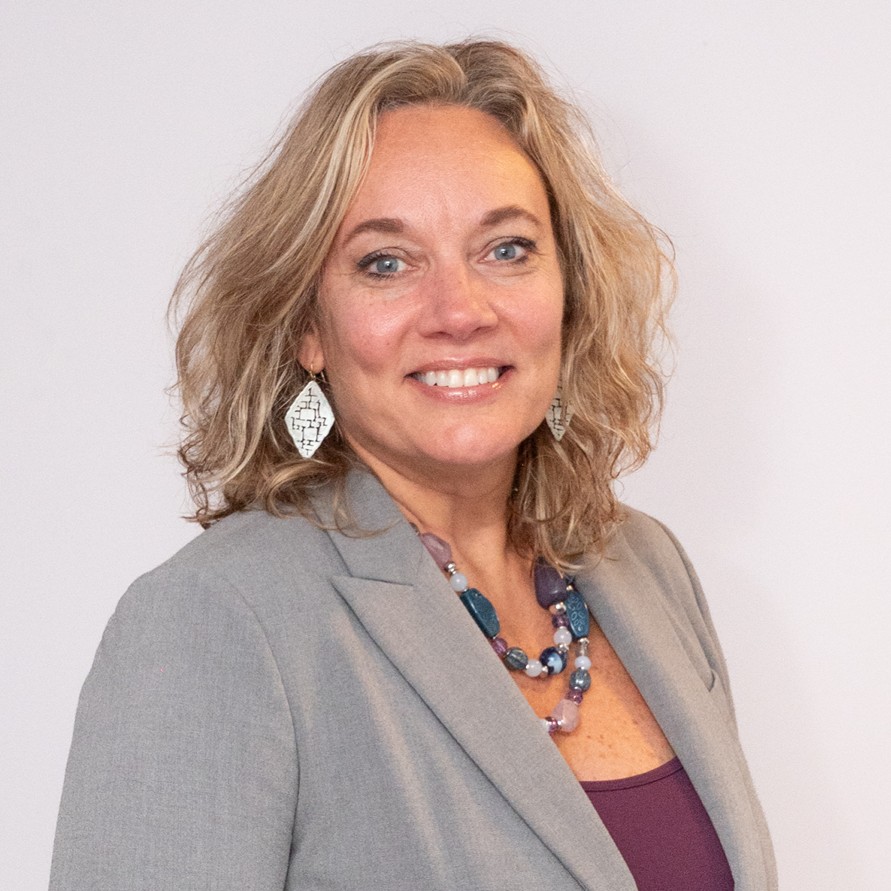
Meichle Latham
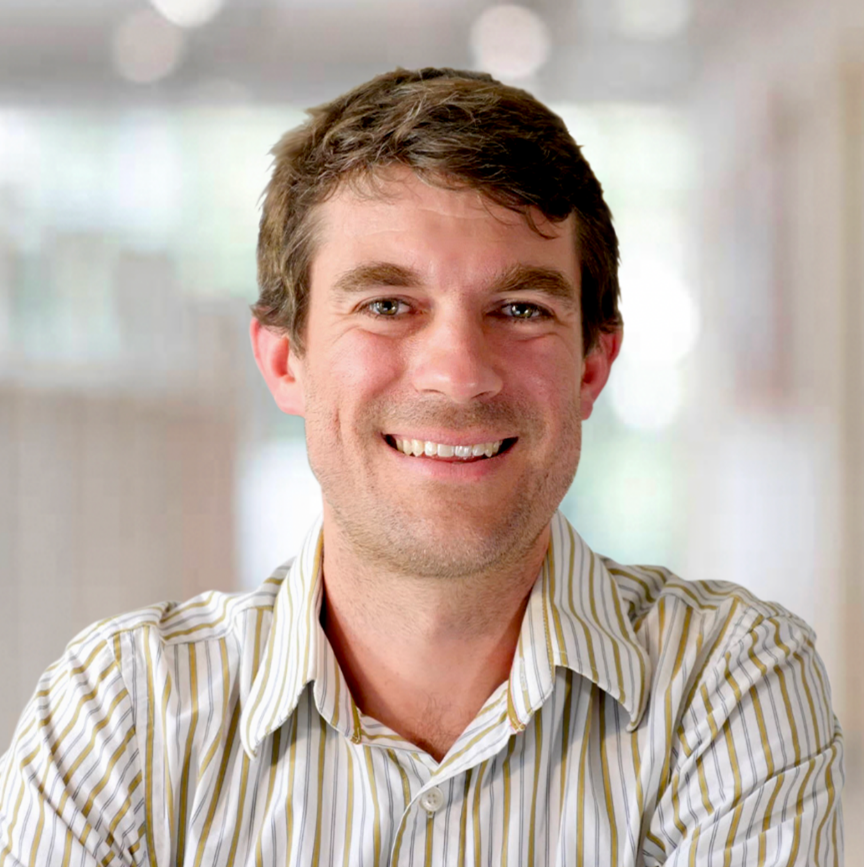
Stephen Crane

Frances Kraft
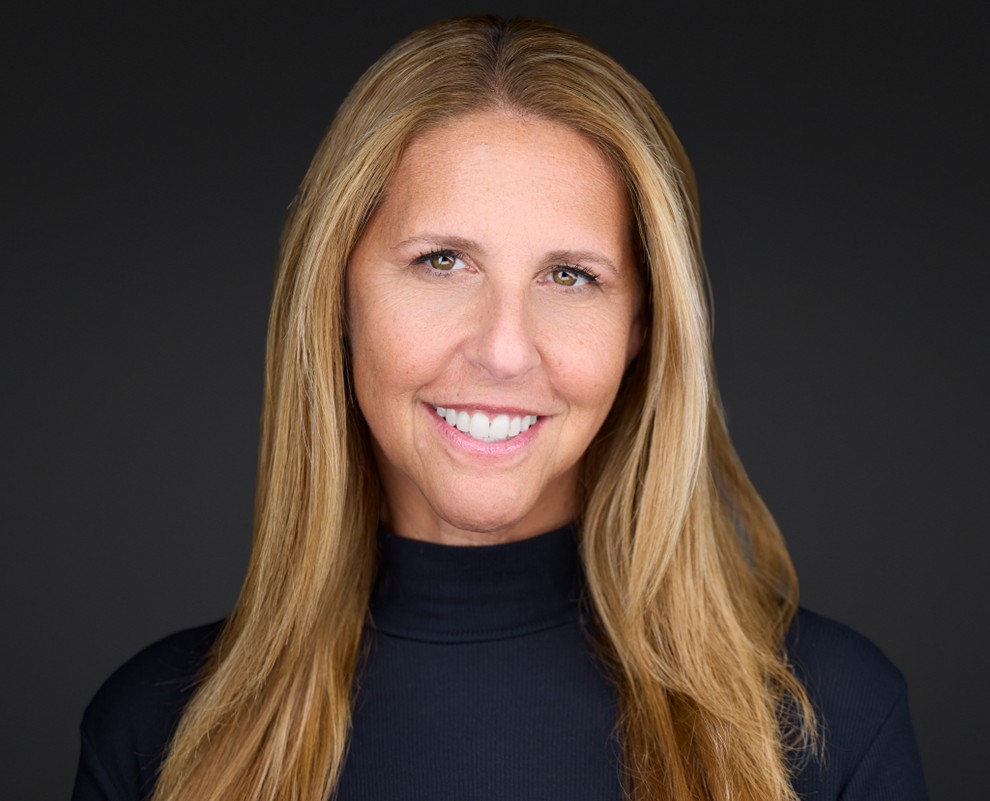
Julie Radlauer
Our presenters shared some great resources with us during the sessions. Here they are:
- The Connection Cure presentation.
- Presenter Resources
- How Socially Connected are Americans?
- Reimagining Infrastructure to Improve Social Capital
- Foundation for Social Connection
- Action Guide for Building Socially Connected Communities
- Each Sector Has a Role
- Dr. Julie Radlauer
- Collectively
Our monthly microhabit challenges for this month are:
- Reach out to one person
- Join one group
- Share one meal
- Do one act of kindness
LIVE WELL, THRIVE WELL
2026 Schedule
January – Movement as Medicine
Tuesday, January 27, 6:30 pm
Explore how regular, intentional movement supports metabolic health, mobility, balance, and longevity using evidence-based strategies to build strength and resilience at every stage of life. More Info
February – Sleep, The Foundation of Health
Tuesday, February 24, 6:30 pm
Learn how restorative sleep regulates everything from metabolism to mood, and apply practical, science-backed strategies to improve sleep quality and recovery.
March – Food as Longevity Medicine
Tuesday, March 31, 5:00 pm
Discover how dietary patterns rooted in whole, plant-forward foods and culinary medicine can reduce chronic disease risk, support performance, and promote healthy aging.
April – The Connection Cure
Tuesday, April 28, 6:30 pm
Examine the powerful role of social connection in mental, emotional, and physical health, and practice simple ways to strengthen relationships and community through daily movement and shared experiences.
May – Mastering Stress with Science and Self-Compassion
Tuesday, May 26, 6:30 pm
Understand how chronic stress affects the nervous system and overall health, and build evidence-based mindfulness and self-compassion practices to restore balance and resilience.
June – Avoiding Toxins
Tuesday, June 30, 6:30 pm
Learn how everyday environmental and behavioral exposures influence health and disease risk, and create a personalized, sustainable wellbeing plan to reduce toxic load and support long-term vitality.