
Live Well, Thrive Well May Program Resources
Live Well, Thrive Well
Thank you for joining Live Well, Thrive Well, your 6-month guided wellness experience rooted in the science of Lifestyle Medicine. We are delighted you are here.
Below are the May Mastering Stress with Science and Self-Compassion program resources you will need to support you on your journey.


May: Mastering Stress with Science and Self-Compassion.
Moderated by fitness professional Melissa, We strategies to help us master stress.
Some Key Takeaways
- Notice where stress shows up in your body. It may appear as tight shoulders, jaw tension, headaches, stomach aches, poor sleep, or a racing heart.
- Remember: stress is normal, but chronic stress needs attention. Stress becomes a concern when it begins affecting your sleep, relationships, work, school, or daily functioning.
- Use movement to complete the stress cycle. Take a walk, stretch, shake out your body, jump around, or simply get up and move.
- Practice slow, intentional breathing. A few deep breaths can help calm the nervous system and bring your body out of stress mode.
- Build small stress-relief habits into your day. Breathwork, mindfulness, grounding, movement, gratitude, and connection all count.
- Do not make self-care another source of pressure. Start with small, manageable actions instead of trying to overhaul your whole life.
- Use grounding when anxiety feels overwhelming. Try naming 5 things you see, 4 things you hear, 3 things you feel, and so on to reconnect with the present moment.
- Ask, “What went well today?” This simple gratitude practice can shift your focus and strengthen connection with family, kids, or coworkers.
- Set boundaries with draining or negative people. You cannot control others, but you can limit exposure, change the conversation, or choose a healthier environment, such as walking in nature or taking a stretch break.
- Take overwhelm one step at a time. Focus on the next small task instead of the entire mountain in front of you.
- Seek support before stress becomes a crisis. Therapy, counseling, peer support, education, and community resources can help you cope earlier.
- Talk openly about mental health. Honest conversations reduce stigma, build connection, and remind people they are not alone.
Presenter Resources

Melissa Allen

Melinda DuBois
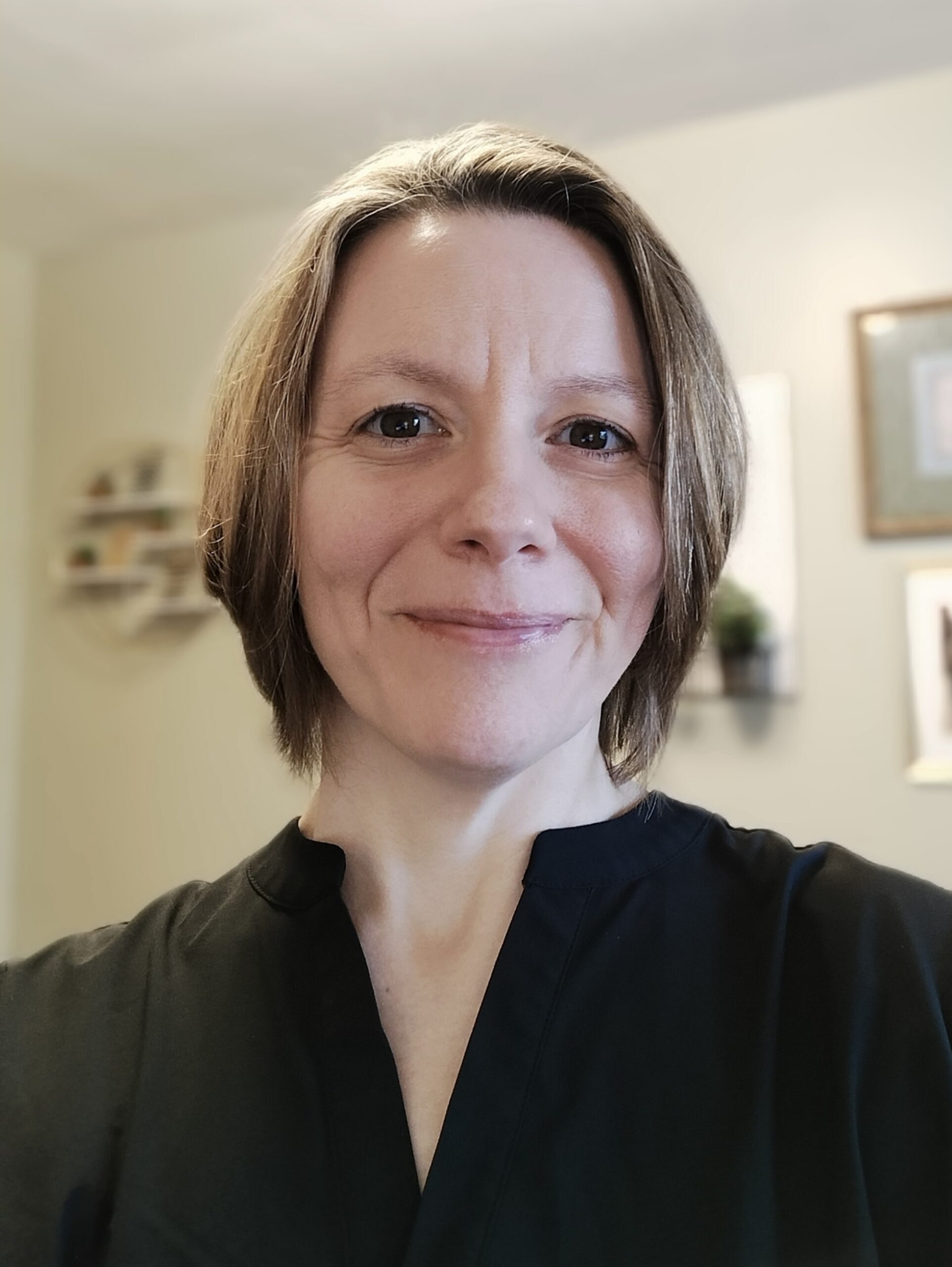
Kim Taylor
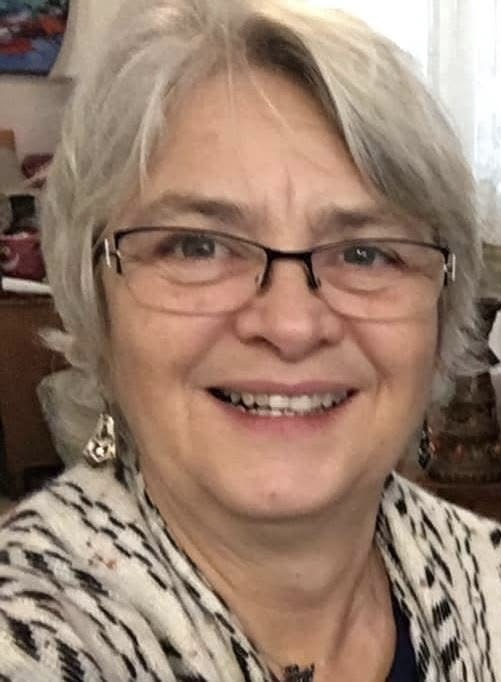
Sherry Byrnes
Our presenters shared some great resources with us during the sessions. Here they are:
- The Mastering Stress presentation.
- MHA Selfcare Handout
- About MHA
- Workshop Resources
- Rochester Lifestyle Medicine
- The Lift Project
- National Alliance on Mental Illness (NAMI) Buffalo & Western New York
- Mental Health Advocates of WNY
- Mental Health First Aide – Compeer Buffalo
- Mental Health First Aid Training – Erie County
Our monthly microhabit challenges for this month are:
- Try a 2-minute breathing exercise
- Build a micro-moment of calm
- Say yes to one boundary this week
LIVE WELL, THRIVE WELL
2026 Schedule
January – Movement as Medicine
Tuesday, January 27, 6:30 pm
Explore how regular, intentional movement supports metabolic health, mobility, balance, and longevity using evidence-based strategies to build strength and resilience at every stage of life. More Info
February – Sleep, The Foundation of Health
Tuesday, February 24, 6:30 pm
Learn how restorative sleep regulates everything from metabolism to mood, and apply practical, science-backed strategies to improve sleep quality and recovery.
March – Food as Longevity Medicine
Tuesday, March 31, 5:00 pm
Discover how dietary patterns rooted in whole, plant-forward foods and culinary medicine can reduce chronic disease risk, support performance, and promote healthy aging.
April – The Connection Cure
Tuesday, April 28, 6:30 pm
Examine the powerful role of social connection in mental, emotional, and physical health, and practice simple ways to strengthen relationships and community through daily movement and shared experiences.
May – Mastering Stress with Science and Self-Compassion
Tuesday, May 26, 6:30 pm
Understand how chronic stress affects the nervous system and overall health, and build evidence-based mindfulness and self-compassion practices to restore balance and resilience.
June – Avoiding Toxins
Tuesday, June 30, 6:30 pm
Learn how everyday environmental and behavioral exposures influence health and disease risk, and create a personalized, sustainable wellbeing plan to reduce toxic load and support long-term vitality.